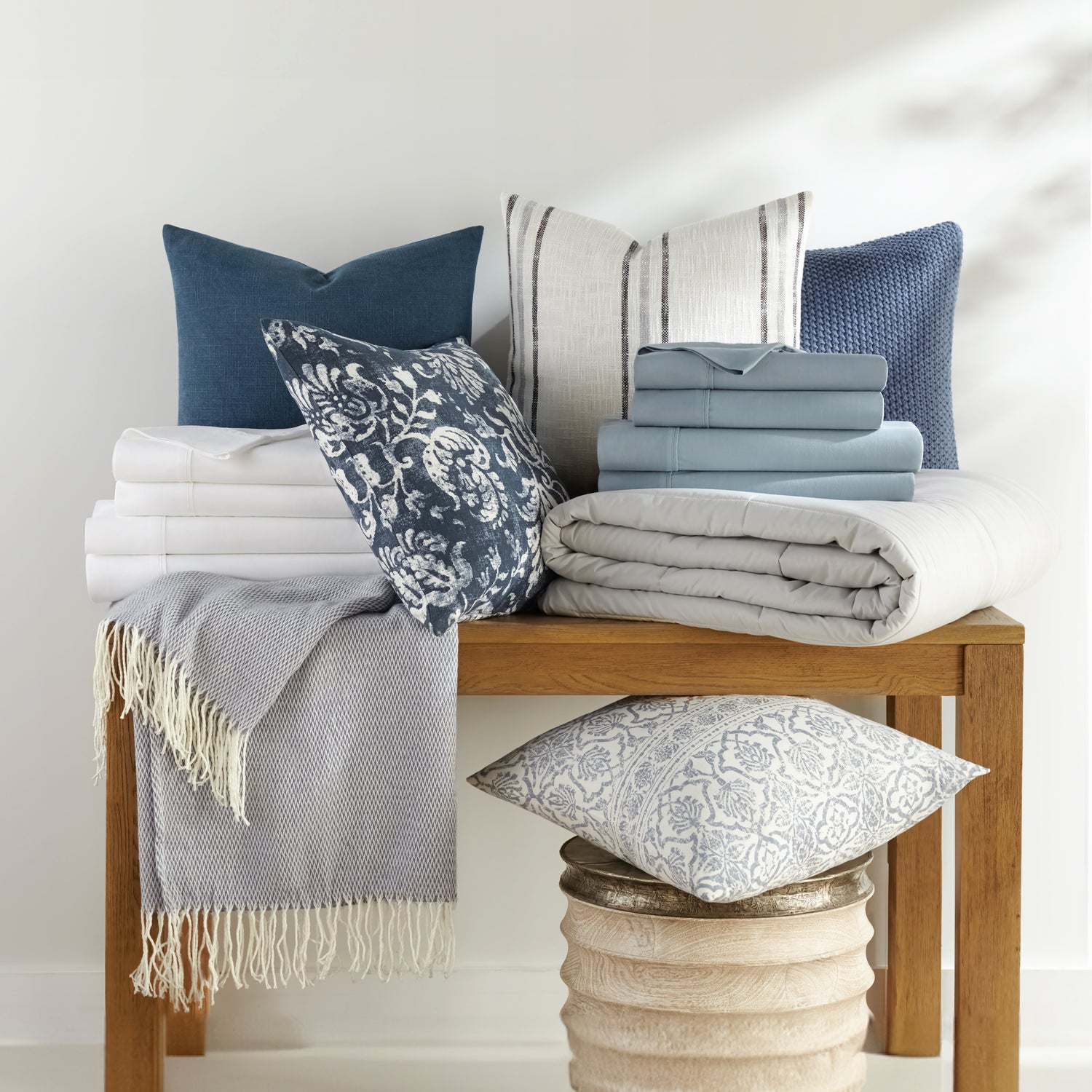


What Is Tencel Fabric Bedding?
If you’re thinking about upgrading your bedding, you may have come across Tencel sheets. Tencel bedding has grown in popularity for its softness, breathability, and eco-friendly production.
In this guide, we’ll explain what Tencel is, how it’s made, and why it’s different from traditional bedding options. Let’s dive in!
Table Of Contents
- What Is Tencel Fabric?
- How Tencel Is Made
- Benefits of Tencel Bedding
- Types of Tencel Fabric
- Tencel vs. Cotton
- How to Choose Tencel Bedding
- Caring for Tencel Bedding
- Conclusion
What Is Tencel Fabric?
Tencel is a type of fabric made from natural wood fibers. These fibers are processed into a smooth, durable material that is soft to the touch.
Unlike synthetic fabrics, Tencel comes from renewable sources and offers many of the benefits of natural fibers, like breathability and comfort. This combination of sustainability and luxury is what makes Tencel bedding stand out.
How Tencel Is Made
Sustainable Wood Sources
Tencel is created from the pulp of fast-growing trees, usually eucalyptus. These trees require less water and fewer chemicals than traditional crops, making them a more environmentally friendly option for fabric production.
Eco-Friendly Manufacturing
The wood pulp is converted into fibers using a process that minimizes waste and reuses most of the water and chemicals. This method reduces environmental impact while producing a high-quality, smooth fabric suitable for bedding.
Benefits of Tencel Bedding
1. Soft and Luxurious Feel
One of the main reasons people choose Tencel bedding is its softness. The fibers are naturally smooth, giving the sheets a silky, gentle feel that is comfortable against the skin.
2. Breathable and Cooling
Tencel sheets allow air to flow freely through the fabric. This breathability helps regulate temperature, making them ideal for warm sleepers or humid climates.
3. Moisture-Wicking
Tencel fibers are designed to absorb and release moisture quickly. This feature helps keep you dry and comfortable throughout the night, even if you sweat while sleeping.
4. Hypoallergenic and Gentle on Skin
Tencel is naturally resistant to dust mites and bacteria. This makes it a good option for people with allergies or sensitive skin, as the bedding is less likely to cause irritation.
5. Durable and Easy to Care For
Tencel bedding is strong and resistant to shrinking, wrinkling, and pilling. With proper care, sheets made from this fabric tend to last longer and maintain their luxurious feel over time.
Types of Tencel Fabric
Tencel is not a single fabric type. It’s a brand name for fibers made from wood pulp, and there are two main types used in bedding. Each offers slightly different benefits, depending on how you sleep and what you value most in your sheets.
Tencel Lyocell
Tencel Lyocell is the most common and most popular type used in bedding. It’s known for its smooth feel, excellent breathability, and moisture-wicking properties. The closed-loop production process reuses water and solvents, which makes it a more environmentally responsible option.
Lyocell sheets feel cool to the touch and are a great choice for hot sleepers or anyone who wants a lightweight, breathable fabric that drapes well and resists pilling.
Tencel Modal
Tencel Modal is softer and slightly warmer than Lyocell. It has a silkier hand feel and more stretch, which gives bedding a cozy, flexible drape. Modal is often blended with cotton to add softness and durability while keeping sheets breathable.
This type of Tencel works well for sleepers who want a balance of softness and comfort without an overly cool feel.
Tencel vs. Cotton
Cotton bedding is a common choice, but Tencel has several advantages. It’s generally softer, more breathable, and better at managing moisture.
Tencel also requires less water to produce, which makes it more sustainable than traditional cotton. While both fabrics are comfortable, Tencel offers added benefits in terms of temperature regulation and skin sensitivity.
How to Choose Tencel Bedding
When shopping for Tencel bedding, consider the weave and thread count. A higher thread count usually means a smoother feel, while the weave can affect softness and durability. Look for bedding that lists Tencel lyocell or modal as the main material for the best results.
Caring for Tencel Bedding
Tencel sheets are easy to maintain. Wash them in cool or warm water using a gentle detergent, and avoid harsh chemicals or bleach.
Tumble dry on low heat or hang to dry to keep the fibers smooth and soft. Proper care ensures your Tencel bedding remains comfortable and long-lasting.
Conclusion
Tencel fabric bedding offers a unique combination of softness, breathability, and eco-friendliness. It’s gentle on the skin, moisture-wicking, and durable, making it a practical and luxurious choice for any bedroom.
Choosing Tencel bedding is an investment in both comfort and sustainability, helping you sleep better while supporting a more eco-conscious lifestyle.